


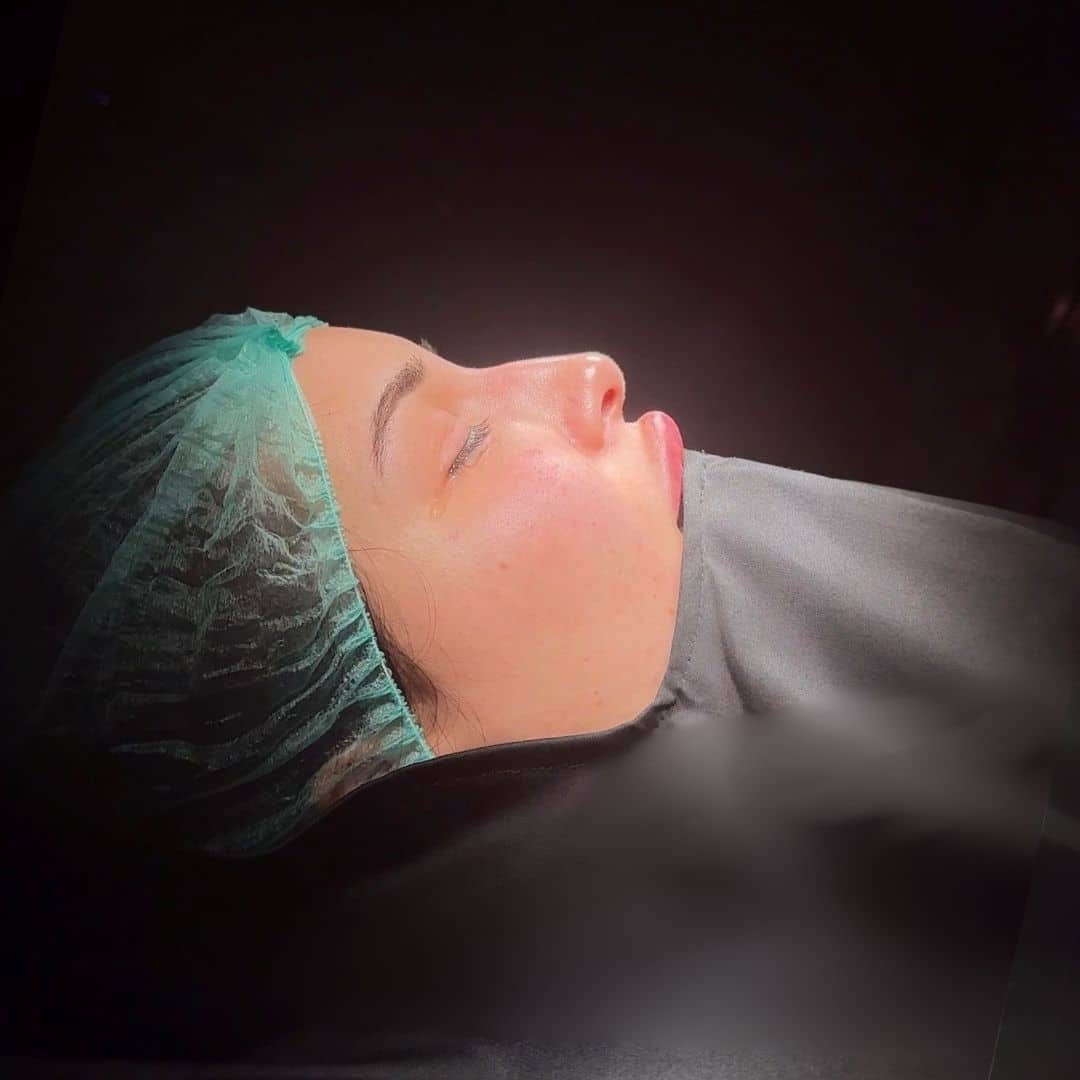

What Is Rhinoplasty (Nose Aesthetics)?
Rhinoplasty is a surgical procedure performed to correct the shape and function of the nose. This operation is preferred both for aesthetic concerns and functional issues, and today it can be performed more safely and successfully with modern surgical techniques.
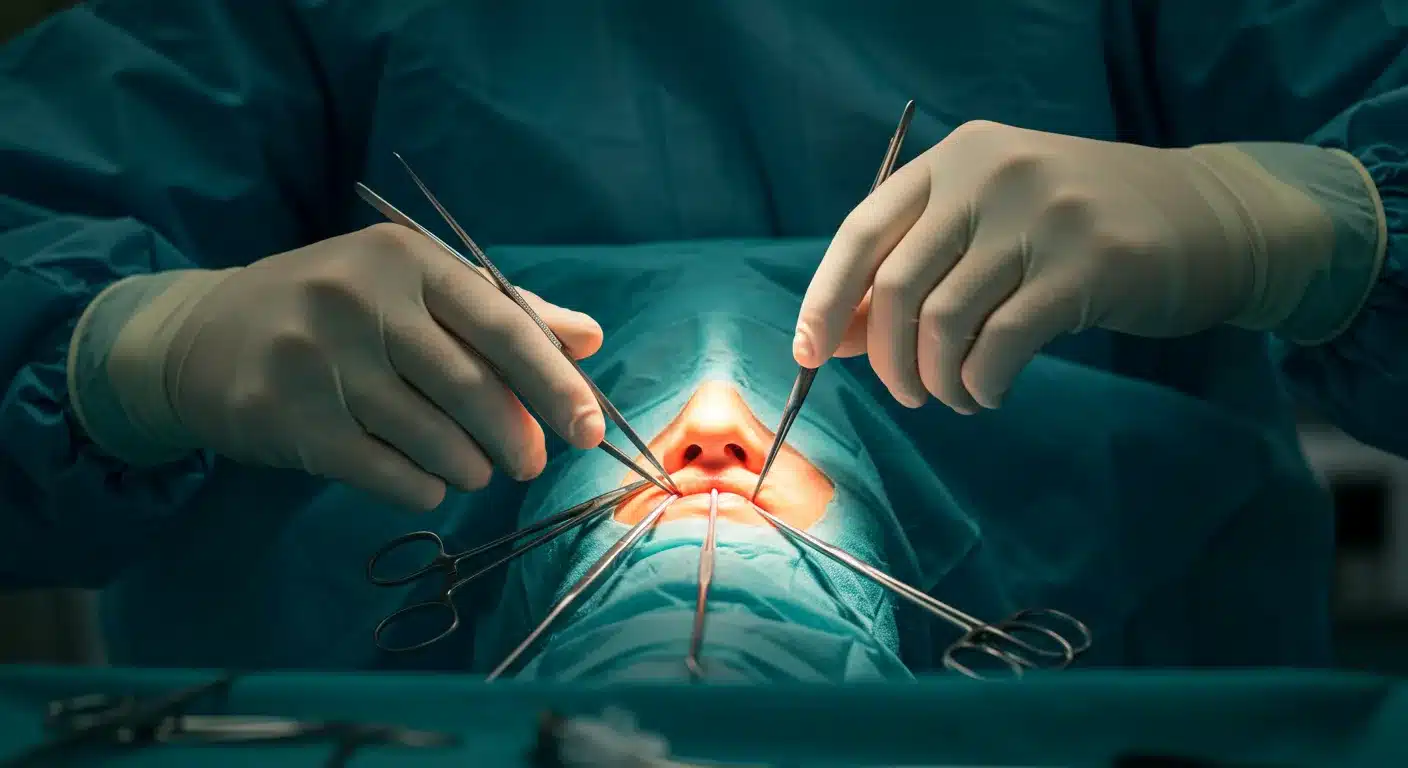
The nose plays a very important role in aesthetic appearance because it is located at the center of the face. Additionally, the nose is critical for respiratory function. Therefore, both appearance and function must be considered in rhinoplasty surgeries.
Primary rhinoplasty is the first rhinoplasty operation performed on patients who have not had nasal surgery before. Unlike revision rhinoplasty, it is the initial surgical intervention and generally has a higher success rate. Especially expert and experienced surgeons carry out this operation meticulously.
Demand and Development of Rhinoplasty in Istanbul
Istanbul is one of Turkey’s leading cities in health tourism. Nose aesthetics is among the frequently preferred operations in this region.
Before the operation, personalized analyses, surgery planning, and postoperative care processes are carried out carefully.
Taking into account patients’ expectations, facial structure, and nasal functions, natural and harmonious results are targeted. Op. Dr. Taha Elkhatroushi manages the operation processes prioritizing patient satisfaction.
Advantages of Primary Rhinoplasty
Primary rhinoplasty offers many advantages for individuals undergoing nasal aesthetics for the first time. One of the most important advantages is that since the tissues and anatomical structures have not been operated on before, more natural and successful results can be achieved.
Additionally, anatomical challenges encountered by the surgeon in primary rhinoplasty are fewer, and tissue healing occurs faster. This allows patients to more easily achieve the desired aesthetic and functional outcomes.
Op. Dr. Taha Elkhatroushi aims to improve his patients’ quality of life after surgery by providing these advantages.
Who Is Op. Dr. Taha Elkhatroushi?
Op. Dr. Taha Elkhatroushi is a specialist with extensive experience in aesthetic and functional nasal surgery. He is committed to providing the best service to his patients using the latest technologies and techniques.
Dr. Taha Elkhatroushi’s priority is to accurately analyze each patient’s expectations and offer the most suitable personalized solution. Establishing clear and effective communication with the patient at every stage of the surgical process is the key to successful results.
Preparation Before Rhinoplasty Surgery
Before rhinoplasty surgery, the patient undergoes a detailed examination. The structure of the nose and face, skin thickness, and respiratory functions are analyzed. The patient’s expectations, medical history, and any previous surgeries are evaluated.
Surgical planning aims for proportionality between the nose and face, natural appearance, and functional improvement.
Rhinoplasty Methods and Techniques
Primary rhinoplasty can be performed using either open or closed techniques. In the open rhinoplasty technique, a small incision is made on the nasal tip, while in the closed technique, all incisions are made inside the nose. Both techniques are selected based on patient needs and surgeon preference.
The open technique provides the surgeon with a wider view, while the closed technique offers advantages such as faster healing and less visible scarring.
Postoperative Process and Recovery
The recovery process after rhinoplasty may vary depending on the patient’s age, skin type, and the extent of the operation. Mild swelling and bruising may be seen during the first days. Tampons are typically removed within about a week, and patients can return to their normal lives.
All Stages of the Rhinoplasty Process
Initial Consultation and Counseling Process
The first stage of the rhinoplasty process is to accurately understand the patients’ expectations and needs. During the initial consultation, the patient undergoes a detailed examination, and the nasal structure is evaluated. The patient’s medical history, current health status, and any past nasal issues are comprehensively assessed.
During the counseling process, a clear understanding of the appearance the patient wants to achieve after the operation is obtained. At this stage, transparent and detailed information about the process, expectations, risks, and possible outcomes is provided. Additionally, patients are informed about what they should do and pay attention to before the surgery.
Detailed Examination and Analyses
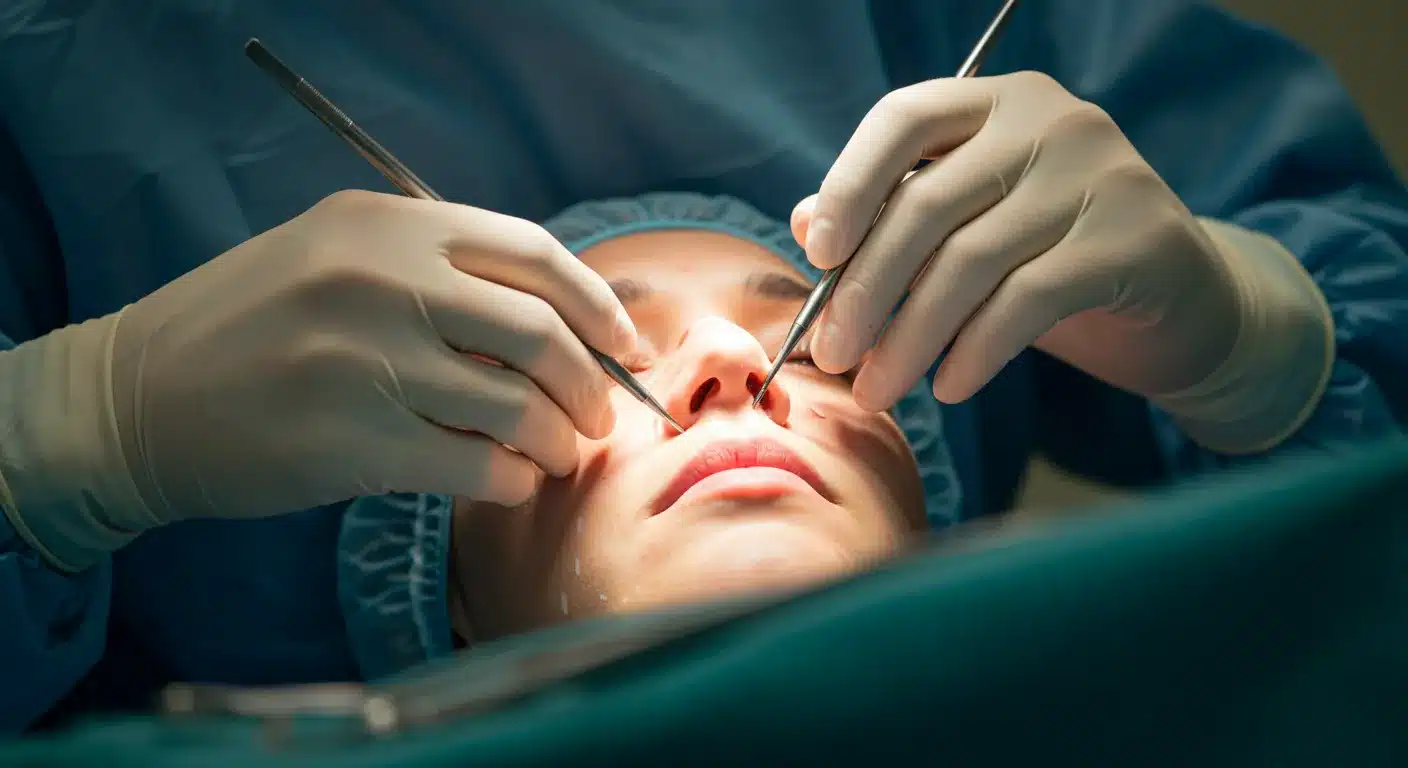
Before the operation, a comprehensive analysis of the patient’s nose and face is performed. The skin thickness, cartilage and bone structure, and current respiratory function of the nose are thoroughly evaluated. Additionally, advanced computer simulation techniques are utilized to create a nasal shape harmonious with the patient’s facial features. These simulations allow the patient to preview the expected postoperative appearance.
Operation Planning
Since each patient’s nose and facial structure are different, the operation plan is personalized. The surgeon considers both the aesthetic and functional expectations of the patient. During the planning stage, factors such as nasal dorsum height, nasal tip projection, alar width, and the angle between the nose and upper lip are analyzed in detail.
Surgery Day and Operation Process
On the day of surgery, final checks are performed before the patient is taken to the operating room. The entire surgical team prepares in accordance with hygiene and safety protocols. The surgery is generally performed under general anesthesia, and the duration varies depending on the extent of the procedure.
Either open or closed techniques may be used during the operation. The surgeon intervenes on tissues inside or outside the nose to achieve the desired shape and function. All interventions are planned specifically according to the patient’s needs. At the end of the surgery, nasal packing may be placed inside the nose and a splint applied externally.
Early Postoperative Days and Follow-ups
After the operation, patients are monitored for a short time in the hospital. The patient’s general condition, swelling in the surgical area, and any possible bleeding are observed. Keeping the head elevated during the first 24–48 hours, applying ice, and using prescribed medications help speed up recovery.
Nasal packing is typically removed after 5–7 days. The external splint remains for about 7–10 days. Swelling and bruising during recovery are normal and gradually decrease.
Long-Term Follow-up and Evaluation of Results
Final changes in nasal shape usually settle completely between a few months and one year after rhinoplasty. The doctor monitors the patient at regular intervals and closely follows the healing process. All necessary support is provided to ensure smooth recovery and patient satisfaction with the aesthetic outcome.
Patient Profiles and Personal Stories
Rhinoplasty Experience in Different Age Groups
Since bone and cartilage development is complete in patients aged 18 and above, success rates of operations are higher. Younger patients often experience faster healing and more dynamic changes, while in older patients, the goal is to correct deformities caused by aging.
Every patient’s needs, facial structure, and expectations are unique.
Differences Between Male and Female Patients
Aesthetic expectations can vary by gender. Women generally desire a more delicate, harmonious, and natural nasal profile, whereas male patients often aim for a more masculine appearance of the nasal dorsum and tip. Procedures such as nasal tip elevation, dorsum refinement, or nostril shaping are detailed according to personal preferences and overall facial proportions.
Rhinoplasty Approach for Different Ethnicities
Each ethnic group has different nasal structures and cultural differences in aesthetic expectations. Some patients wish to preserve their ethnic features, while others prefer a more universal nasal form. Respecting the patient’s cultural and ethnic identity, the most suitable aesthetic approach is determined to achieve both natural and personally appropriate results.
Social and Psychological Effects After Surgery
Increased Self-Esteem and Confidence
One of the most observed changes after rhinoplasty is the increase in patients’ self-confidence. Since the nose is located at the center of the face, even a small change can positively affect the entire facial expression and the individual’s social perception.
Positive Changes in Social Relationships
Patients with a new nasal appearance often feel more comfortable in social environments. Issues like shyness, embarrassment, or lack of confidence are significantly reduced. Most patients become more active participants in social settings.
Advantages in Professional Life
Especially for individuals working in service sectors or who frequently communicate with others, an aesthetic nose creates a positive professional impression. Patients report increased self-confidence and improved performance in their work life after surgery.
Detailed Complications, Risks, and Management
Common Postoperative Complications
As with any surgical procedure, primary rhinoplasty carries certain risks of complications. These include swelling, bruising, mild bleeding, and temporary breathing difficulties. Advanced surgical techniques and hygiene protocols must be applied postoperatively to minimize these risks.
Serious and Rare Complications
Though rare, serious complications such as infection, tissue loss, undesired nasal deformities, or permanent breathing difficulties may occur. However, with an experienced surgeon and modern surgical methods, these risks are minimized. All potential risks are openly shared with the patient before surgery.
Complication Management
Rapid and effective intervention is critical if complications develop. Patients must be closely monitored after surgery, and immediate action taken in case of adverse conditions. Additional treatments or minor corrective procedures are planned if necessary.
International Current Trends and Scientific Developments
Minimally Invasive Techniques
Worldwide, minimally invasive approaches are gaining prominence in rhinoplasty operations. Smaller incisions, faster healing, less scarring, and natural results are fundamental goals of modern aesthetic surgery.
Cartilage-Preserving Methods
Techniques that preserve the cartilage tissue to the greatest extent possible are being developed to protect the functional structure of the nose. This ensures both a natural appearance and long-term preservation of nasal functions.
Digital Simulation and 3D Modeling
Thanks to technological advances, the patient’s nasal structure can be digitally simulated and modeled in three dimensions before surgery. 3D modeling allows patients to preview their expected postoperative appearance in advance.